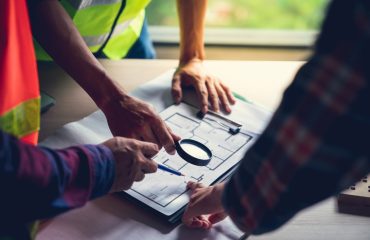
Security assessment and safety management in public spaces are critical components in ensuring the well-being of individuals and maintaining the overall security of communities. Here are insights into key aspects of security assessment and safety management in public spaces:
1. **Risk Identification and Assessment:**
– Conducting thorough risk assessments is the foundation of effective security management in public spaces. Identifying potential threats and vulnerabilities allows for the development of targeted strategies to mitigate risks.
2. **Multi-Layered Security Measures:**
– Public spaces require a multi-layered security approach. This includes a combination of physical security measures such as surveillance cameras, access control, and lighting, as well as procedural measures like crowd management and emergency response protocols.
3. **Collaboration with Law Enforcement:**
– Effective security and safety management often involve collaboration with law enforcement agencies. Establishing strong partnerships can enhance communication, response times, and overall coordination in the event of security incidents.
4. **Crowd Management and Event Security:**
– Public spaces often host events and gatherings. Comprehensive security assessments should include considerations for crowd management, access control, and emergency evacuation plans to ensure the safety of large groups of people.
5. **Public Awareness and Education:**
– Educating the public about security measures and safety protocols is essential. Awareness campaigns can help individuals understand their role in maintaining a secure environment and how to respond in emergency situations.
6. **Technology Integration:**
– Leveraging technology, such as surveillance systems, sensors, and data analytics, enhances security assessment capabilities. These technologies can provide real-time monitoring, early threat detection, and data-driven insights for more effective decision-making.
7. **Threat Intelligence and Information Sharing:**
– Keeping abreast of threat intelligence is crucial for anticipating potential risks. Public spaces benefit from information sharing networks that allow relevant stakeholders to exchange information about emerging threats and best practices.
8. **Accessibility and Inclusivity:**
– Security measures should be designed with accessibility and inclusivity in mind. Public spaces need to be safe for all individuals, including those with disabilities, and security measures should not create barriers for certain groups.
9. **Environmental Design:**
– Implementing principles of crime prevention through environmental design (CPTED) is important. Designing public spaces with considerations for natural surveillance, territorial reinforcement, and access control contributes to overall safety.
10. **Regular Training and Drills:**
– Continuous training for security personnel, as well as conducting regular drills and exercises, ensures that response teams are well-prepared to handle various security scenarios. Practice enhances coordination and minimizes response times during actual emergencies.
11. **Integration of Smart Technologies:**
– Smart technologies, such as IoT devices and AI-powered systems, can be integrated for more efficient security management. These technologies can provide real-time data analysis, predictive modeling, and automated responses to enhance overall safety.
12. **Community Engagement:**
– Involving the community in security efforts fosters a sense of shared responsibility. Public spaces are safer when individuals feel a connection to their community and actively contribute to maintaining a secure environment.
In conclusion, security assessment and safety management in public spaces require a comprehensive and adaptable approach. By addressing a combination of physical, procedural, and technological aspects, and by fostering collaboration among stakeholders, communities can create and maintain safe and secure public environments for everyone.